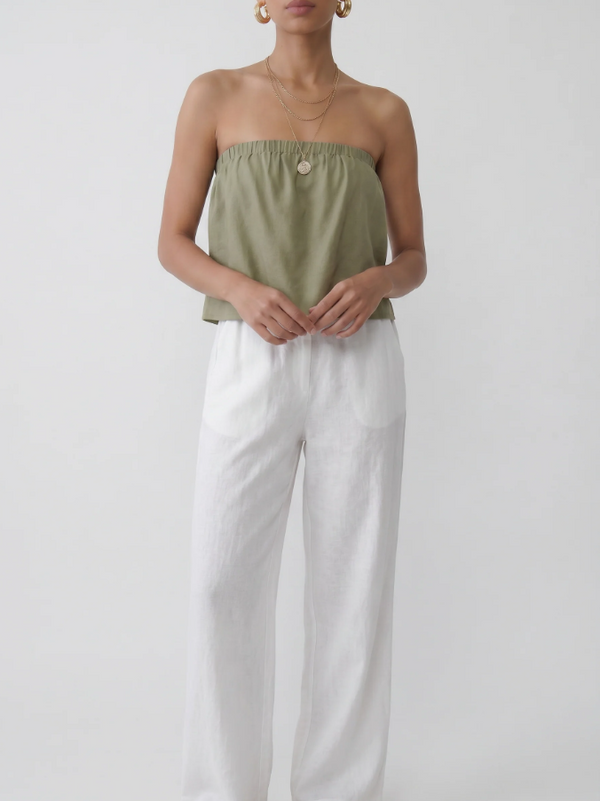
Sustainable Clothing for Women
Sustainable clothing for women is designed to reduce environmental impact while promoting quality, longevity, and responsible production. Unlike fast fashion, sustainable fashion focuses on timeless design, durable materials, and thoughtful manufacturing practices.
As more consumers seek alternatives to overconsumption and disposable trends, sustainable clothing has become an essential part of building a conscious wardrobe. Choosing fewer, better-made garments can help reduce waste, extend the lifespan of clothing, and encourage a more responsible fashion industry.
At Noumenon, we believe fashion should be beautiful, functional, and made to last. Our collections are designed for women who value timeless style and conscious choices.
What Is Sustainable Clothing?
Sustainable clothing refers to garments that are designed and produced with consideration for their environmental and social impact. This includes the materials used, how garments are manufactured, how long they last, and what happens to them at the end of their life cycle.
The goal of sustainable fashion is to reduce waste, lower resource consumption, and create clothing that remains relevant beyond seasonal trends.
Key principles of sustainable clothing include:
- High-quality materials
- Long-lasting design
- Responsible sourcing
- Conscious production
- Reduced environmental impact
- Timeless aesthetics
Rather than encouraging constant consumption, sustainable fashion promotes buying less and choosing better.
Why Sustainable Fashion Matters
The fashion industry is one of the world's largest industries and has a significant environmental footprint. Fast fashion has accelerated production cycles and increased textile waste, often prioritising quantity over quality.
Sustainable fashion offers an alternative approach.
By investing in well-designed garments that are made to last, consumers can:
- Reduce clothing waste
- Extend product lifecycles
- Support responsible production practices
- Make more mindful purchasing decisions
- Build a wardrobe based on quality rather than quantity
Sustainability is not about perfection. It is about making more informed choices and considering the long-term impact of what we wear.
How to Identify Sustainable Clothing
With sustainability becoming an increasingly common marketing term, it can sometimes be difficult to distinguish genuine efforts from vague claims.
When evaluating sustainable clothing, consider the following:
Quality and Longevity
Well-made garments that can be worn for many years are generally more sustainable than items designed for short-term use.
Responsible Materials
The choice of fabric plays an important role in the environmental impact of a garment.
Timeless Design
Pieces that remain relevant beyond seasonal trends tend to have a longer lifespan in a wardrobe.
Transparency
Brands that openly communicate their materials, production processes, and sustainability goals often demonstrate a stronger commitment to responsible practices.
Sustainable Materials
The environmental impact of clothing begins with the materials used to create it.
At Noumenon, material selection is an important part of our design process. We focus on fabrics that balance comfort, quality, durability, and a lower environmental footprint.
Examples of more responsible materials include:
TENCEL™
A fibre derived from responsibly managed wood sources, known for its softness, breathability, and efficient production process.
Organic Cotton
Cotton grown without synthetic pesticides and fertilisers, helping reduce environmental impact compared to conventional cotton production.
Cupro
A regenerated cellulose fibre valued for its luxurious feel, breathability, and versatility.
Recycled Materials
Recycled fibres can help reduce the need for virgin resources while extending the life of existing materials.
Material innovation continues to play an important role in creating a more sustainable fashion industry.
Slow Fashion vs Fast Fashion
Slow fashion encourages a more thoughtful relationship with clothing.
Rather than following rapidly changing trends, slow fashion prioritises:
- Quality over quantity
- Longevity over disposability
- Timeless style over seasonal trends
- Conscious purchasing over impulse buying
A slow fashion wardrobe often consists of versatile pieces that can be worn repeatedly, combined easily, and appreciated for years.
This philosophy aligns closely with the idea that clothing should have lasting value rather than a short lifespan.
Building a Sustainable Wardrobe
Creating a sustainable wardrobe does not require replacing everything at once.
Instead, focus on gradual improvements:
- Buy fewer but higher-quality garments.
- Choose versatile pieces that can be styled in multiple ways.
- Prioritise timeless designs over short-lived trends.
- Care for clothing properly to extend its lifespan.
- Invest in pieces you genuinely enjoy wearing.
Small decisions made consistently can have a meaningful long-term impact.
The Noumenon Approach
At Noumenon, sustainability is not viewed as a trend but as a design principle.
Our collections are created with longevity in mind. We focus on timeless silhouettes, carefully selected materials, and thoughtful craftsmanship that encourages long-term wear.
Rather than designing for a single season, we aim to create pieces that become lasting parts of a wardrobe.
We believe that the future of fashion lies in conscious design, responsible choices, and garments that continue to bring value long after they are purchased.
Explore Sustainable Fashion
Discover our collection of sustainable clothing for women and explore timeless pieces designed for everyday wear, special occasions, and everything in between.
By choosing quality, longevity, and conscious design, sustainable fashion becomes more than a purchase—it becomes an investment in a more thoughtful wardrobe.
Frequently Asked Questions
What is sustainable clothing?
Sustainable clothing refers to garments designed to minimise environmental impact through responsible materials, thoughtful production, and long-lasting design.
Is sustainable clothing better for the environment?
In general, sustainable clothing aims to reduce waste, resource consumption, and environmental impact compared to conventional fast fashion.
Why is sustainable fashion important?
Sustainable fashion encourages more responsible production and consumption practices while helping reduce waste and overproduction.
What materials are considered sustainable?
Examples include organic cotton, TENCEL™, recycled fibres, and other materials designed to reduce environmental impact compared to conventional alternatives.
How can I build a more sustainable wardrobe?
Focus on purchasing fewer, higher-quality garments, choosing timeless styles, caring for your clothing properly, and prioritising longevity over trends.